
- Balanced daily intake of Carbs, Proteins, Fats
- 65-70% CHO, 10-15% PRO, 15-20% FAT
- Fuel your body for what you want it to do
- A day before (a long session/event) – Carbs!
- Race day & during
- Post-race
- Hydration
- Assuming training 5 times a week requires between 5 – 10 grams of carbohydrate per kilo of body weight per day.
- So, a 65-kilo rider may require 8g/kg (520g) a day during heavy training periods, compared to an 80-kilo person who walks for 30 mins twice a week and would only need 4g/kg (320g) a day.
- 1g of CHO = 4KCALs of energy (a banana weighs ~50g, has 10g CHO)
- We need 1 – 1.4g of PROTEIN per kg a day (depending on intensity)
- Do not forget FATS (15 – 20% of diet). Eg Nuts, oils, seeds, etc.
- DIET – PRE-RACE
- Pre-event need to consume 1 – 4 g/kg of CHO in the 4 hours prior to exercise
- For a 70kg cyclist, ahead of a 3-hour ride, that equates to approx. 100 – 250 grams of CHO (depending on intended intensity).
- 170g of CHO = 680 KCAL.
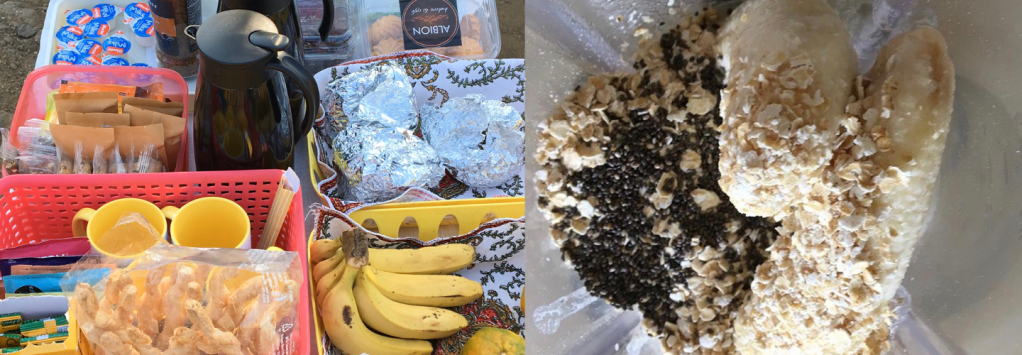
- Cereal, banana, dried fruit, milk, yogurt (milk, yogurt, eggs = PRO)
- 200 + 40 + 100 + 100 + 80 = 520 KCAL
- DIET – DURING
- During the ride, the rate of CHO ingestion should be about 25g – 30g every 30 minutes (to simplify/be easy to remember, apply a “30-30” rule during races).
- What does that look like? A typical 60ml sports energy gel contains 36g of CHO & a 40g energy bar contains 25g so in a race I would aim to eat a bar & gel every hour (starting after 45 mins because of the pre-event meal).
- If you prefer energy as liquid, then 2 scoops (20g each) of energy powder in 500ml water bottle gives 35-40g of CHO. That means you need to drink at least one bottle per hour (could drink one bottle & have one bar of gel).
- manage the strength of your sports drink mix to accompany food intake.
- DIET – POST-RACE
- A post-workout meal should be consumed ideally within 20 minutes of finishing the workout. Your body will be demanding carbohydrates (to replenish the glycogen stores in your blood & muscles) and protein (to repair and rebuild the damage from muscle breakdown). The accepted sports science says a meal with a CHO: PRO ratio of 4:1.
- One final word of advice – when planning your meals pre & post-activity, remember that many ingredients contain more than one macronutrient and this should be factored into your calculations when creating a menu.
- DIET – HYDRATION
- The 2 main minerals required to keep the body in hydration balance are sodium (found in common salt) and potassium (found in citrus fruits, for example).
- Sodium helps the body retain fluid and potassium counterbalances the cellular osmosis effect of sodium – need the right amount of both to maintain hydration.
- When considering DIY hydration mixes, bear in mind that the average daily sodium requirement is 1.5 grams in total per day and 2 – 3 grams of potassium
- If preparing your own mix add 0.1 – 0.3 grams of salt to a 500ml bottle and 0.1g of potassium (squeeze the juice out of a 100-gram lemon).
- How much should you drink? Depends on the rate at which you’re losing fluid, ambient temperature, and intensity of the workout. Guideline 500ml – 1 L per hour.
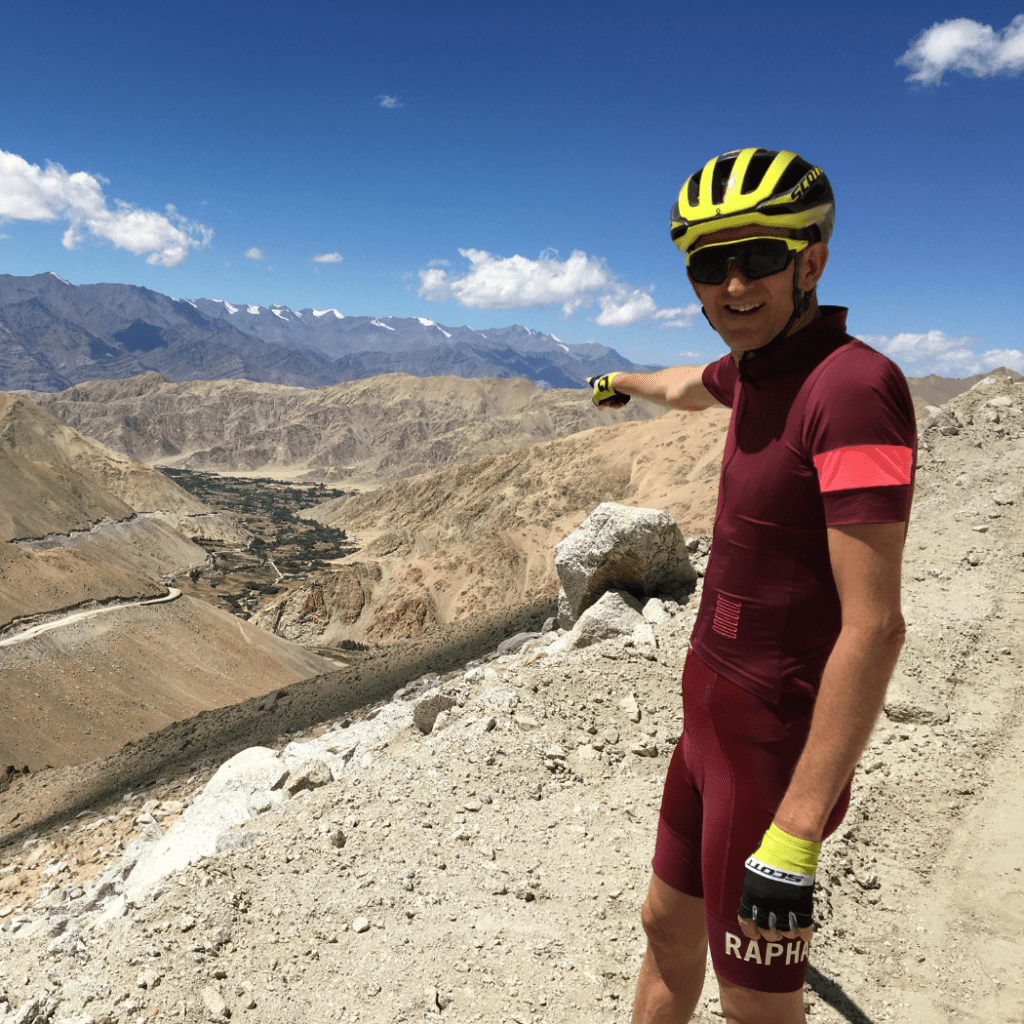
Nigel Smith
I’ve completed a certificate in Sports Nutrition via the American College of Sports Medicine, delivered by the Exercise Science Academy in Mumbai, India.
The course covered fascinating insights into advanced theories surrounding performance nutrition & gave me the skills to apply those insights to my client’s performance requirements.
 Nidas Cycle Coaching